
Optimal Timing for Drainage Services
Effective drainage management is essential for maintaining property integrity and preventing water-related issues. The timing of drainage service can influence its effectiveness, with seasonal considerations playing a significant role.
Spring is an ideal time for drainage service to address winter debris buildup and prepare for heavy rains.
Summer offers an opportunity to inspect and clear drainage systems before fall leaves cause blockages.
Perform drainage service in fall to prevent clogs from falling leaves and to ensure proper flow during winter.
While less common, winter drainage service can help prevent ice buildup and manage snowmelt runoff.
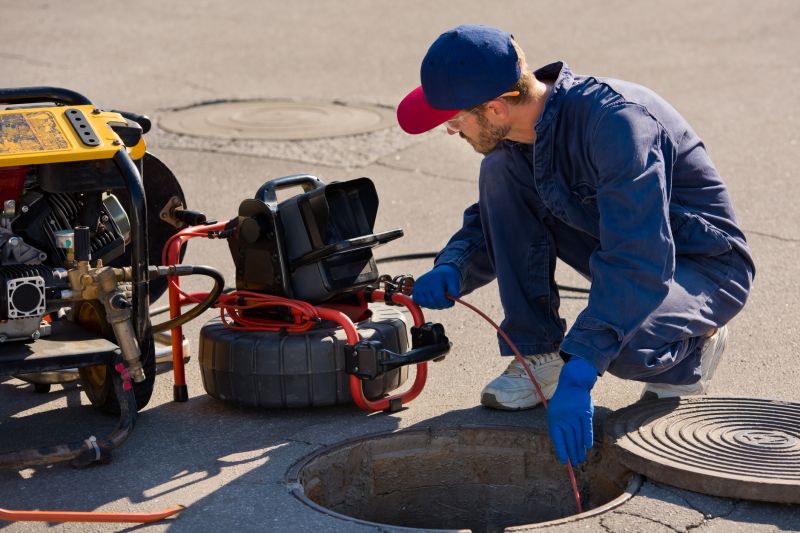
Drainage systems checked after winter to remove debris and ensure proper flow.
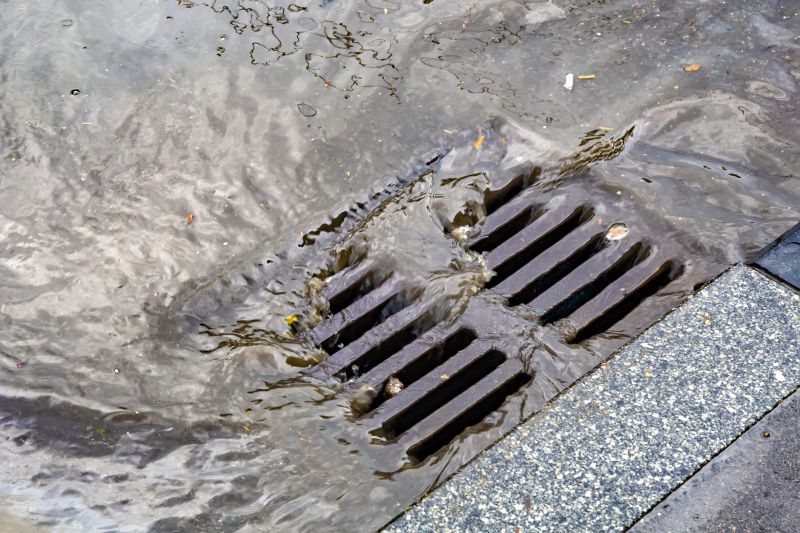
Clearing gutters and drains to prevent blockages during heavy summer storms.
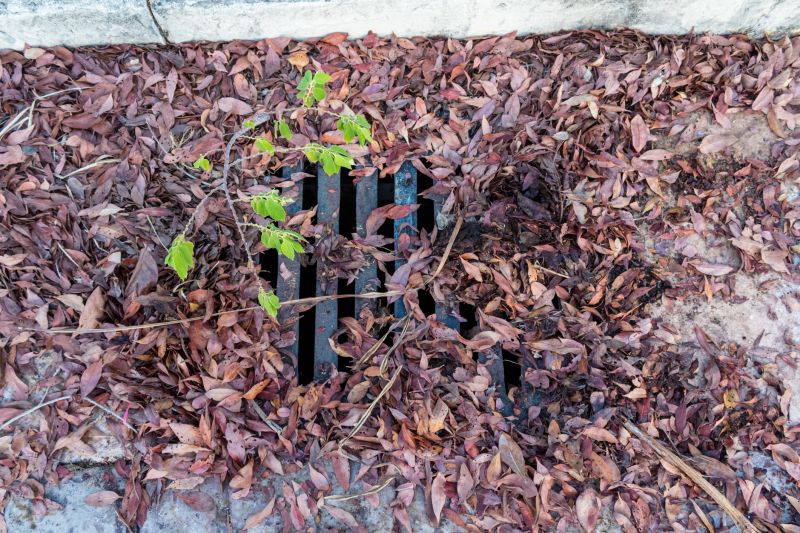
Removing fallen leaves from drainage areas to maintain efficiency.
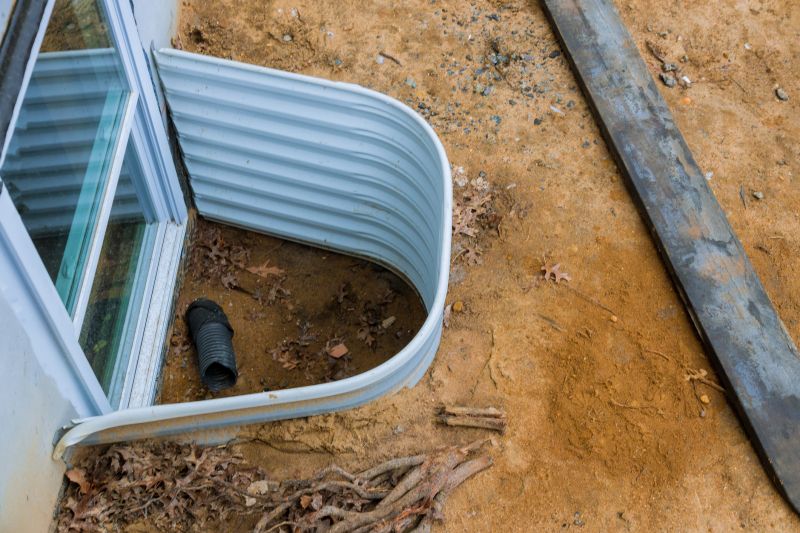
Ways to make Drainage Service work in tight or awkward layouts.
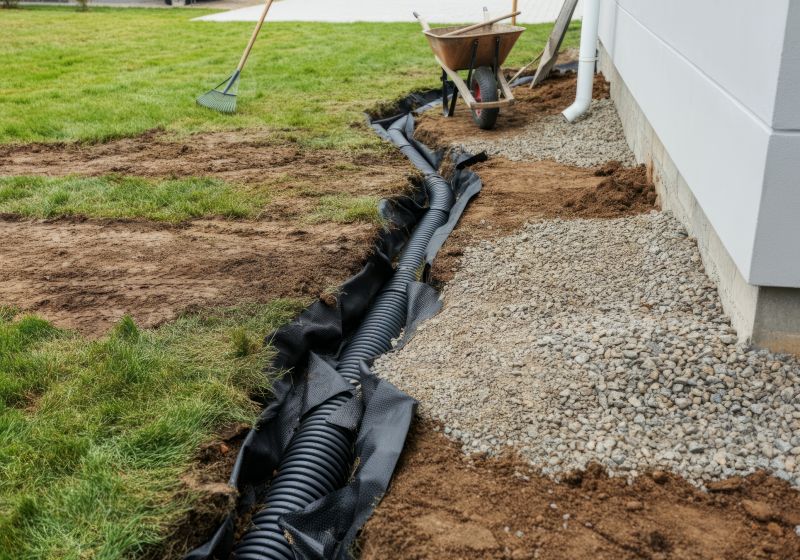
Popular materials for Drainage Service and why they hold up over time.
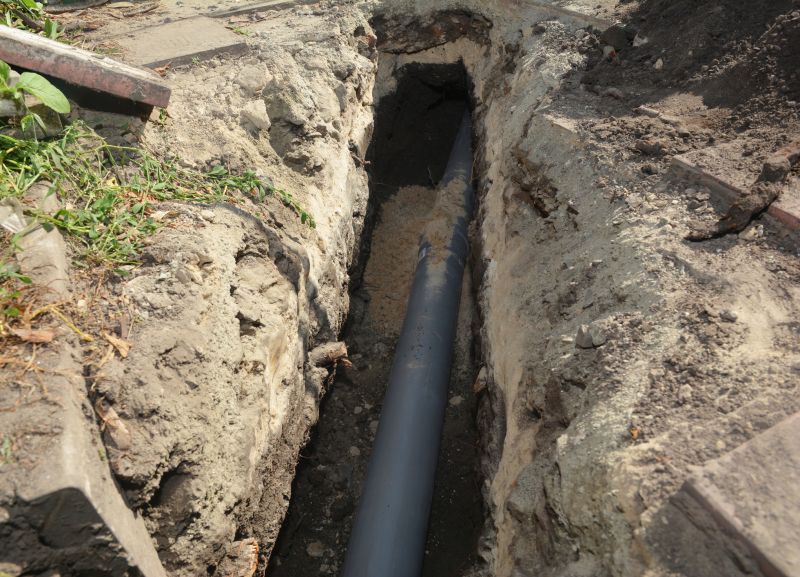
Simple add-ons that improve Drainage Service without blowing the budget.
| Season | Recommended Drainage Service Activities |
|---|---|
| Spring | Inspect and clean drainage systems, remove winter debris. |
| Summer | Perform routine maintenance, clear gutters and downspouts. |
| Fall | Remove leaves, check for clogs, prepare for winter. |
| Winter | Address ice buildup, manage snowmelt runoff if necessary. |
Drainage service involves assessing and maintaining systems designed to direct water away from structures and landscapes. Proper drainage reduces the risk of water damage, soil erosion, and foundation issues. Regular maintenance ensures that drainage pathways remain clear and functional, especially during periods of heavy rainfall or snowmelt. Statistics indicate that poorly maintained drainage systems can lead to costly repairs, with water damage expenses exceeding thousands of dollars annually in residential properties.
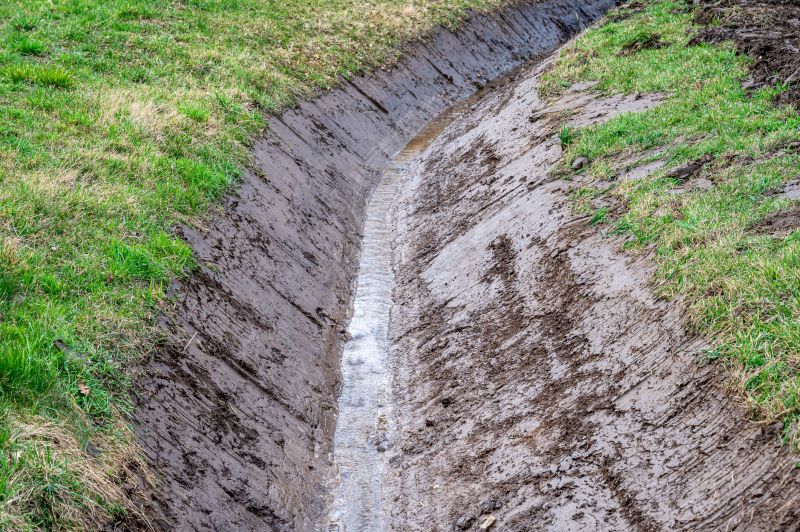
Properly maintained drainage channels prevent water accumulation.
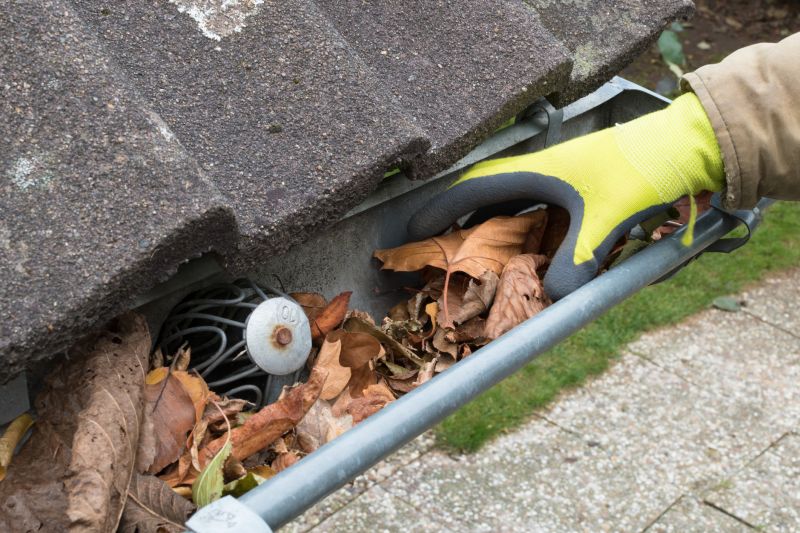
Removing debris to ensure water flows freely.
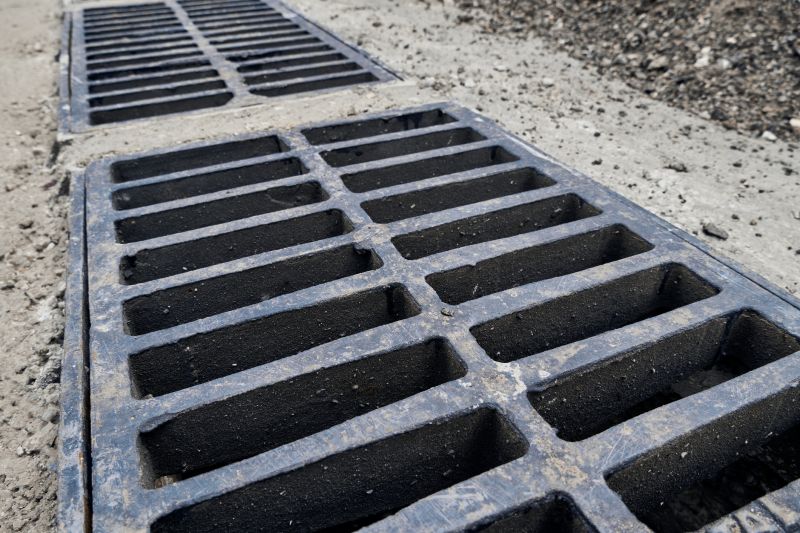
Effective catch basins trap debris and prevent clogs.
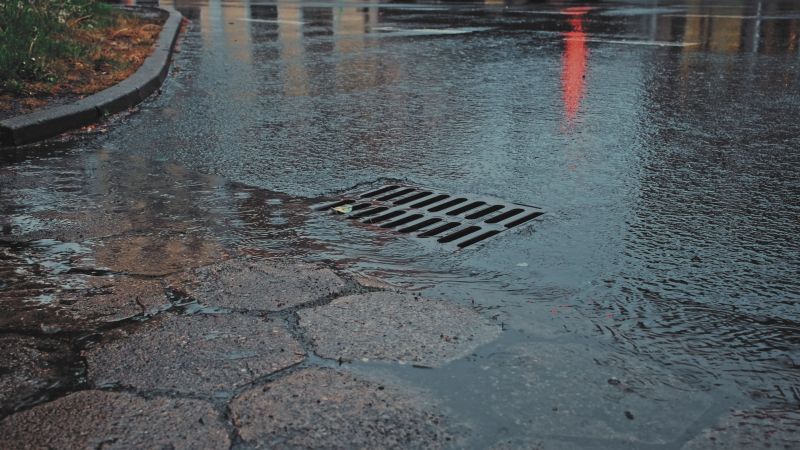
Storm drains are crucial for managing heavy rainfall runoff.
Scheduling drainage service at optimal times based on seasonal weather patterns can enhance system longevity and performance. Regular inspections and timely maintenance reduce the likelihood of water-related damages, which can be costly and disruptive. Property owners are encouraged to plan drainage assessments before the rainy season begins for the best results.

Visual checks to identify potential issues early.
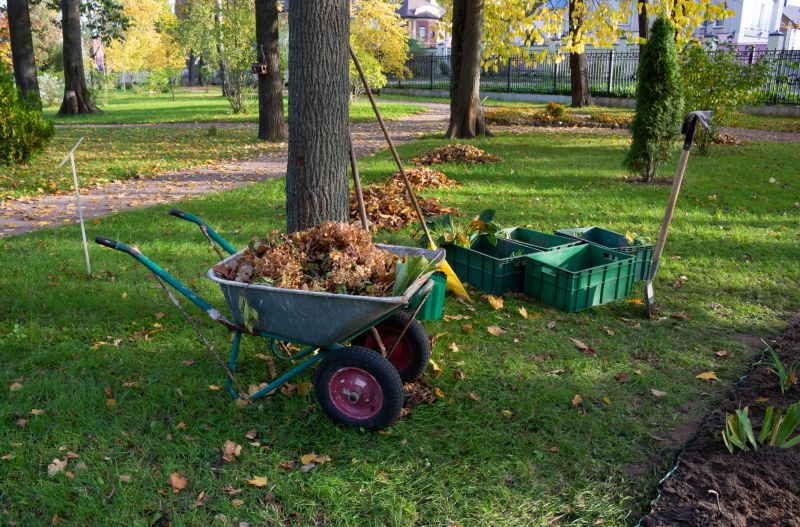
Clearing leaves and debris from drainage pathways.
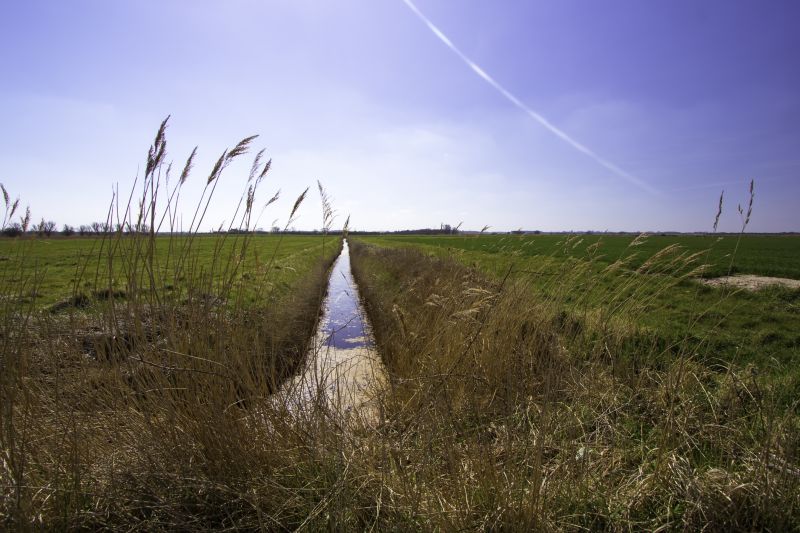
Preventing soil erosion around drainage areas.
Interested property owners can contact professionals to schedule drainage service tailored to seasonal needs. Proper timing and maintenance can help prevent water intrusion, foundation damage, and landscape erosion, ensuring property stability and safety.